Haute Cuisine, a film every foodie cannot miss.
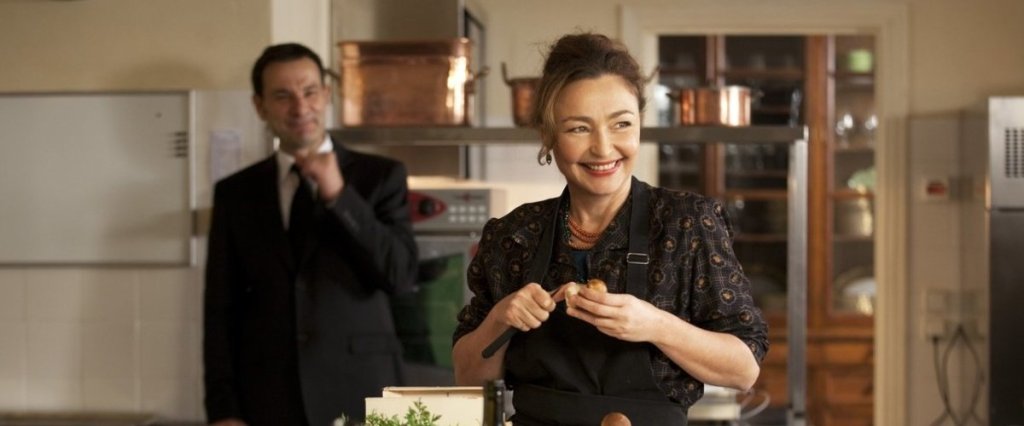
Our protagonist Hortense Laborie receives totally contrastive treatments in Elysée Palace and the Antarctic restaurant. She is unwelcome and has to deal with the power play in France, whereas she reigns the kitchen as well as those men’s stomach in Antarctica. French president or the Antarctic crew, who appreciate her food more? This film vividly portrays the sexism in the kitchen bureaucracy that befell the real previous private chef.
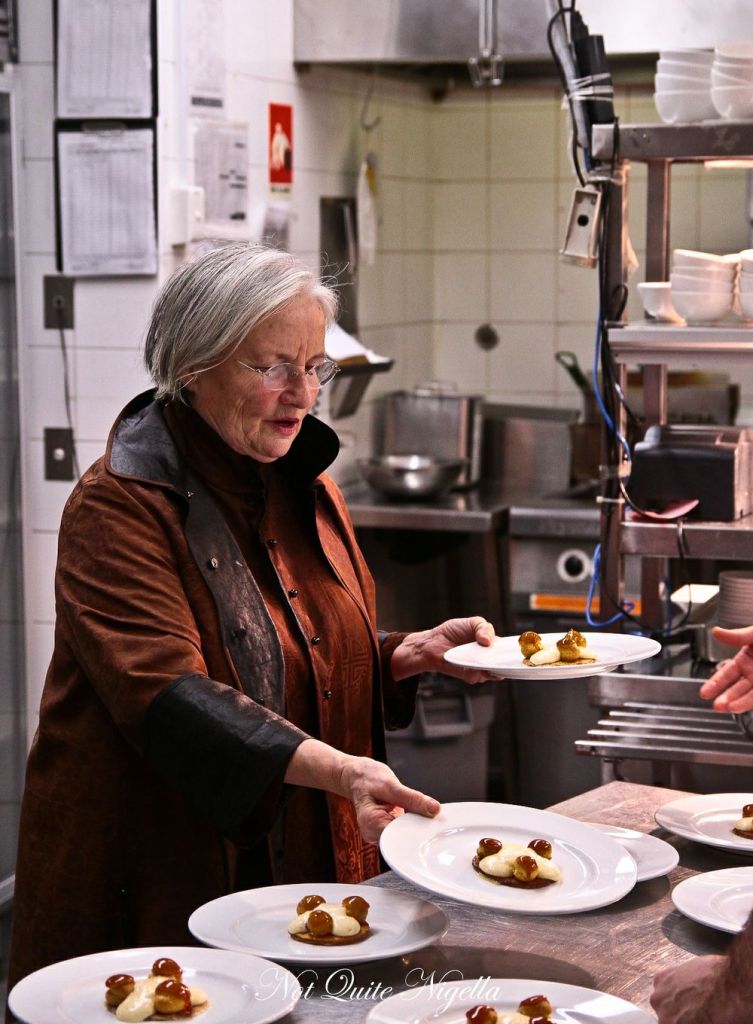
Quit talking about the concepts behind the scenes. Viewers are most gratified by the sensuous richness with adequate and elaborate shots of each delicacy. The mature use of film language is the prior element that defines Haute Cuisine as a foodie film, followed by more reflective themes surrounding French food culture, such as profound nostalgia, cookbook legacy, etc.
As Brillat-Savarin advocated in his book The Physiology of Taste, and analysed by Michael Symons, eaters should focus on food itself, not the establishment of art eatery. Like Hortense in the film, she couldn’t care less about the table setting or anything beyond the private kitchen. The last supper in Antarctica, the Australian cameraman shows appreciation to the meal as he sneaks a bite of the cake when he can’t wait for Hortense to finish her speech. These scenes underpin Brillat-Savarin’s argument and emphasise “meal-centred pleasure” because human beings are blessed with taste buds and we should celebrate this by feeding ourselves properly.
 Grace eats Europe