Never Say Goodbye

One way to learn an unfamiliar cuisine and culinary culture is to make one yourself! On the very last day of this fantastic course a European food festival was held. The dish I made is called Caprese salad, or Insalata caprese in Italian. It is usually served as a starter and can be consumed any time of day. One of the reasons that makes Caprese salad well-conceived worldwide is because a noticeable association with the colours of the Italian flag – green from the basil, white from the cheese, red from the tomato.
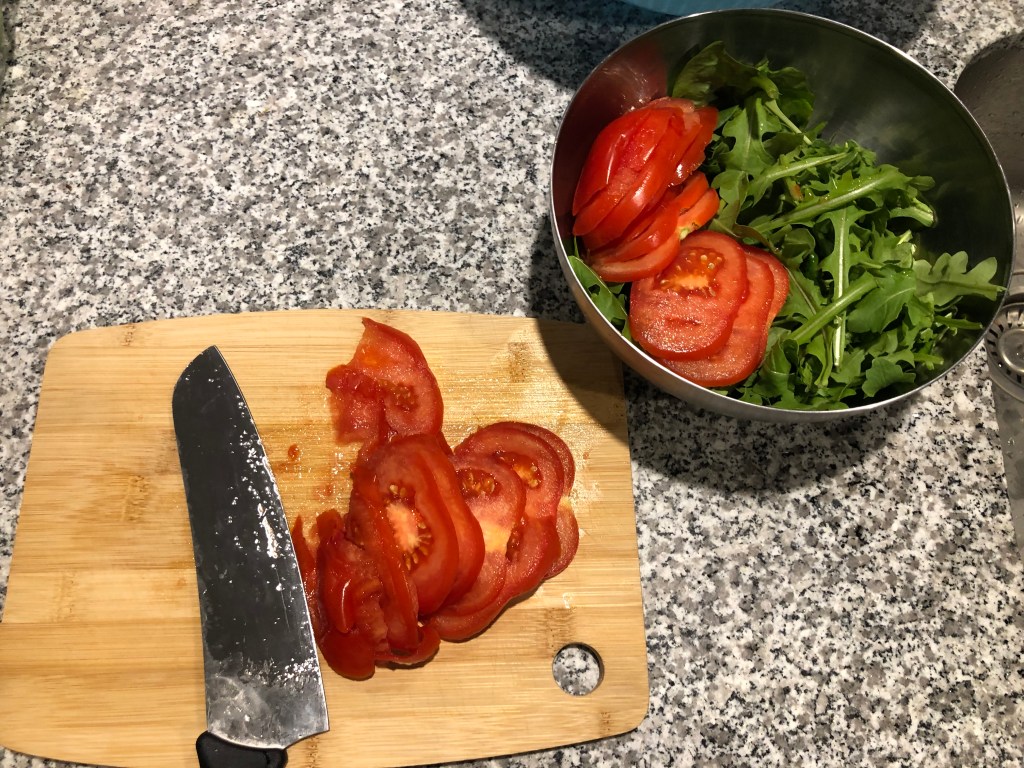
The preparation of this dish didn’t cause much effort, but I met difficulty when finding the key ingredient. This salad requires fresh mozzarella – a semi-soft cheese made from buffalo’s milk. But I went for provolone as a replacement which was the only Italian cheese I could find in local stores. Provolone and mozzarella both originated in southern Italian. Provolone is a semi-hard, aged cheese whereas mozzarella is traditionally served a day after it is produced.

I sliced a tomato and mixed with baby leaf rocket and provolone, seasoned with Italian dressing. I presented this in a salad bowl, but I learned a different presentation from other students who chose the same dish. They used cherry tomatoes and made Caprese skewers.

As I expected, my salad was not as popular as other mouth-watering desserts and pastas made by other students. But it did refresh me after tasting too many sugary pastries, which was my motivation to make this salad.
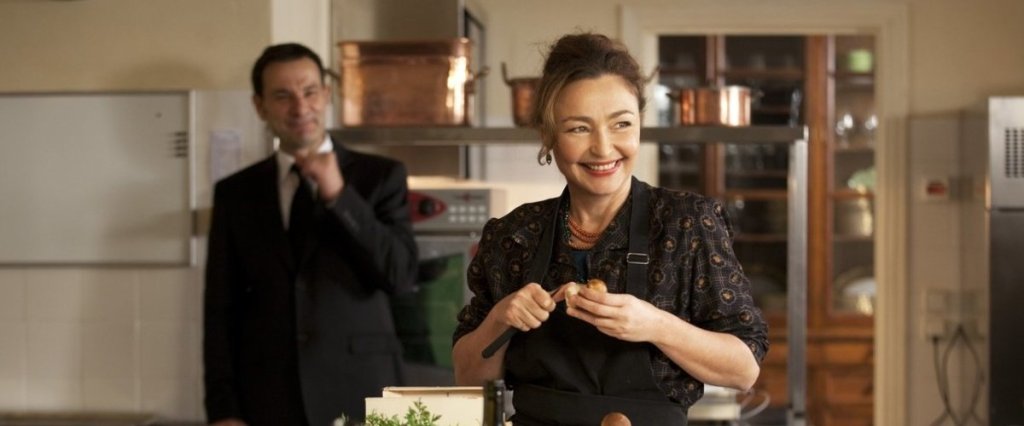
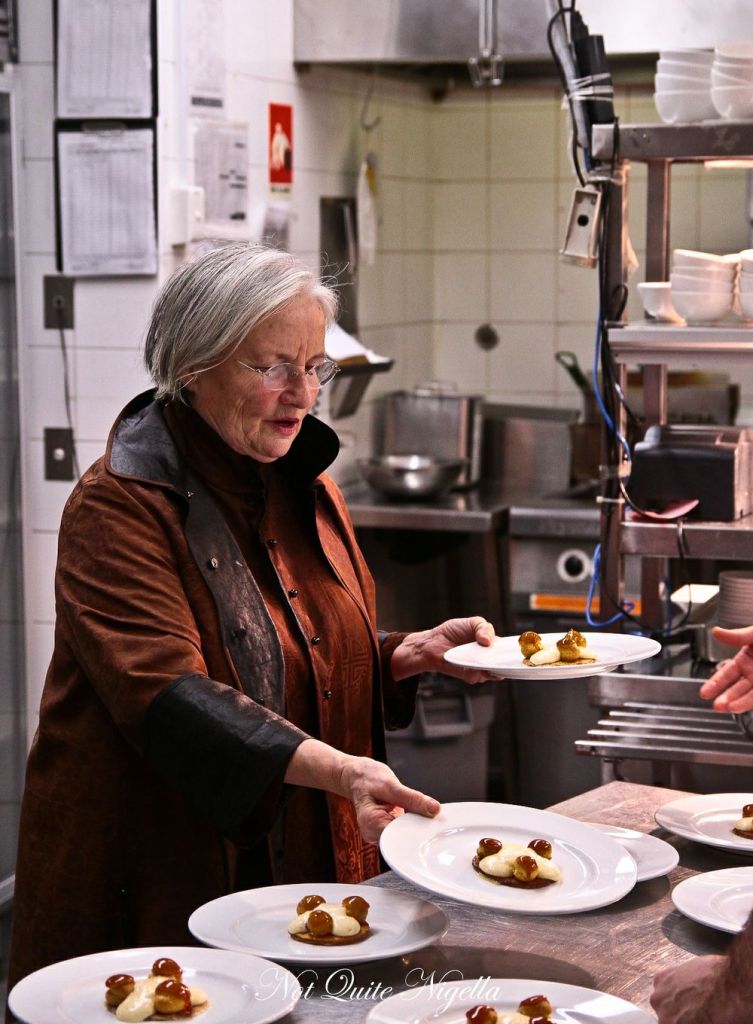
She owns the kitchen!

Haute Cuisine, a film every foodie cannot miss.

https://www.rogerebert.com/reviews/haute-cuisine-2013

Our protagonist Hortense Laborie receives totally contrastive treatments in Elysée Palace and the Antarctic restaurant. She is unwelcome and has to deal with the power play in France, whereas she reigns the kitchen as well as those men’s stomach in Antarctica. French president or the Antarctic crew, who appreciate her food more? This film vividly portrays the sexism in the kitchen bureaucracy that befell the real previous private chef.

https://www.notquitenigella.com/2013/03/27/haute-cuisine-daniele-mazet-delpeuch

Quit talking about the concepts behind the scenes. Viewers are most gratified by the sensuous richness with adequate and elaborate shots of each delicacy. The mature use of film language is the prior element that defines Haute Cuisine as a foodie film, followed by more reflective themes surrounding French food culture, such as profound nostalgia, cookbook legacy, etc.

As Brillat-Savarin advocated in his book The Physiology of Taste, and analysed by Michael Symons, eaters should focus on food itself, not the establishment of art eatery. Like Hortense in the film, she couldn’t care less about the table setting or anything beyond the private kitchen. The last supper in Antarctica, the Australian cameraman shows appreciation to the meal as he sneaks a bite of the cake when he can’t wait for Hortense to finish her speech. These scenes underpin Brillat-Savarin’s argument and emphasise “meal-centred pleasure” because human beings are blessed with taste buds and we should celebrate this by feeding ourselves properly.

Casa Ibérica

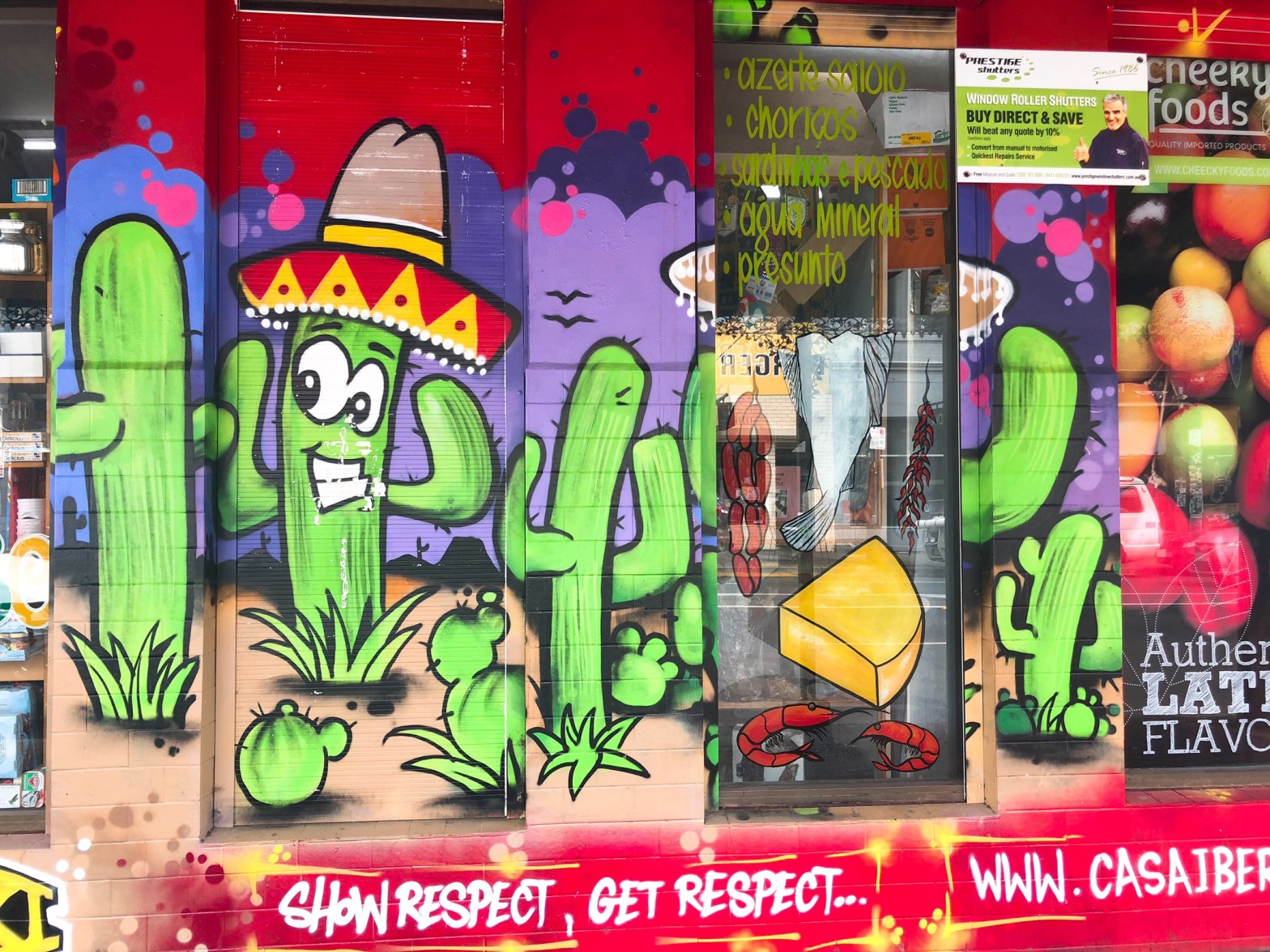
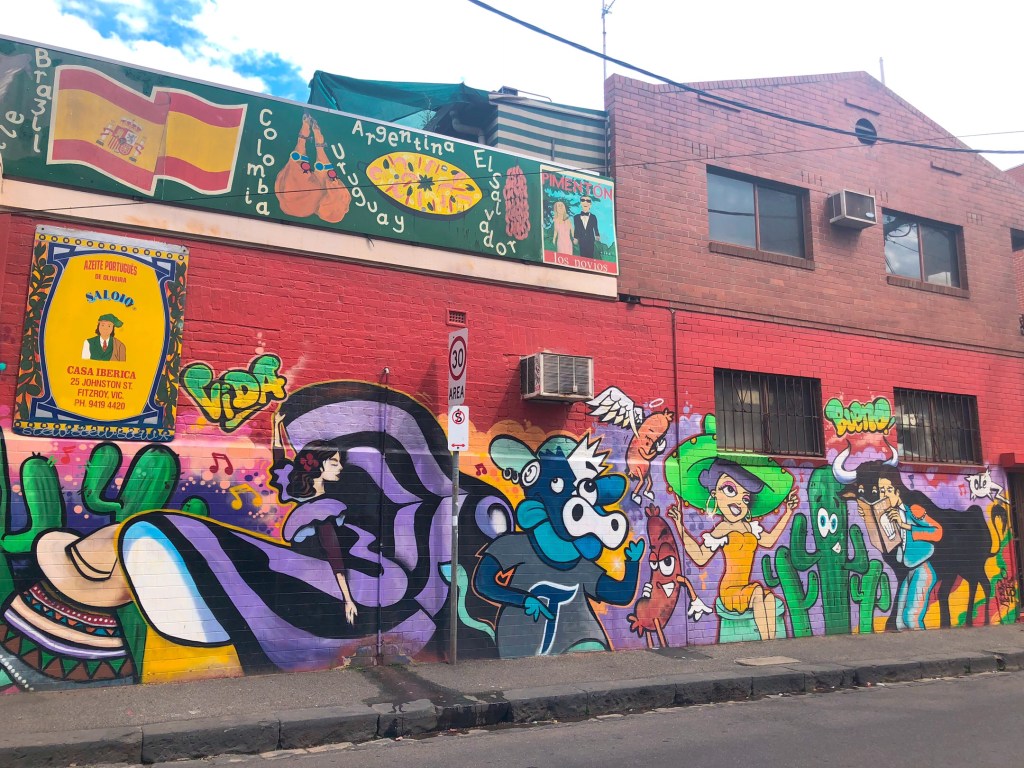
Casa Ibérica is a deli on 25 Johnston St, Fitzroy. The exterior walls are decorated with exotic graffiti featuring cactus, flamenco dancers, national flags of Spain, Colombia, Mexico, Argentina and so on. Casa in Spanish means house, so its name means the house of Iberian Peninsula, the house of Spain and Portugal.

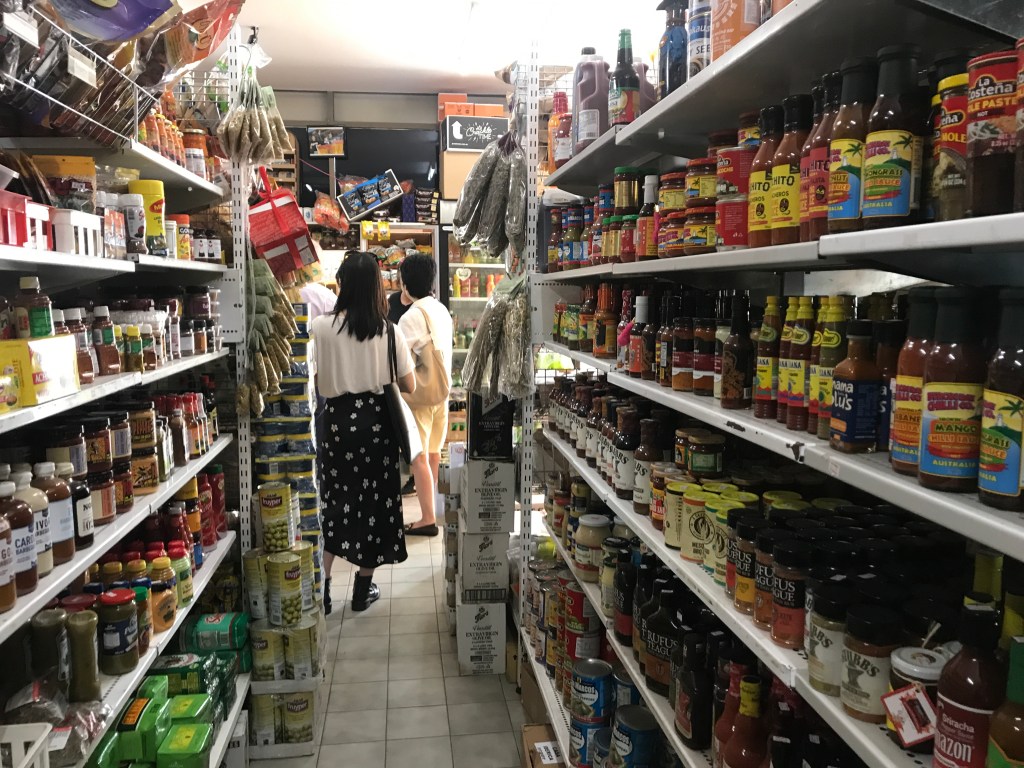
The deli is not spacious and is crowded with shelves presenting a wide variety of products, from shampoos to cooking dishes. An array of Spanish chorizo, ham, and salami are hung from the ceiling above the counter. Casa Iberica is an example of an original and authentic interpretation of Spanish food culture, although this small shop is not limited to Spanish products only. A good selection of condiments is imported from Central America and South America, such as seasonings from Colombia, dried powder chillies from Mexico, pan dulce from Portugal and so on. Due to Quarantine reasons there many products they can’t bring in, so they have collaborated with local companies to make traditional products within Australia.

A mixed smell of spices and cured meat help us quickly indulge in the world of flavours and authenticity. Decoration is unnecessary here. The only thing that does not fit in this environment is the music playing in the house. It was English pop songs playing that reminds us we are still in a modern world.

I resonate with this foodscape when I heard from a Colombian boy who works in a taco restaurant nearby, that he would come to the deli for drinks and chocolates from his country. As an international student coming from China, it would be really heart-warming to discover home product in a far foreign country.

The Legendary Paella

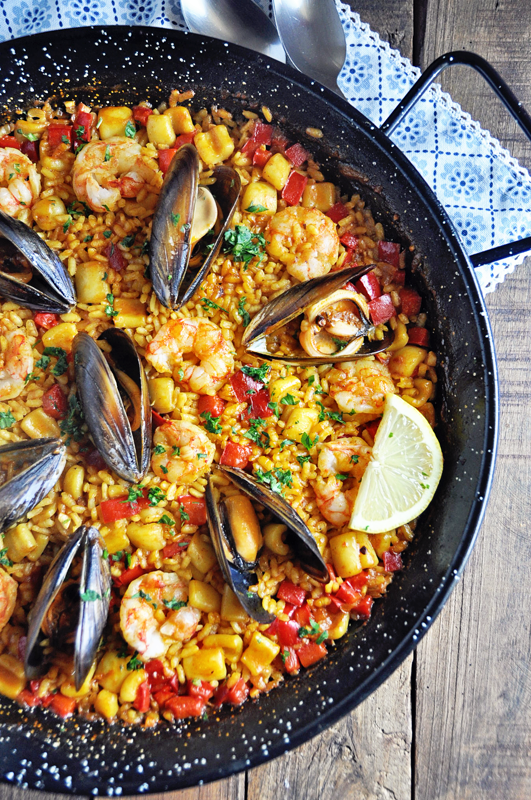
Attracted by the scrumptious look and spicy flavour, Spanish paella is one of the European dishes that I’m most interested in. Paella is originally from Valencia, on east coast of Spain. As the Valencian meaning of the name suggests, paella is cooked in a frying pan. The common ingredients are short grain rice, chicken, rabbit, sometimes snails, different varieties of beans, and vegetables. On the Mediterranean coast, meat is replaced with seafood to make paella, and seafood paella has become the most globally popular recipe. The aromatic smoke comes from orange and pine branches as fuels. Traditionally, diners consume directly out of the pan instead of serving in plates, and this way of consumption is abandoned by modern eating habits.

https://www.spainonafork.com/authentic-spanish-seafood-paella-recipe/

Paella plays a significant role in representing Valencian culture. Similar to la olla podrida, paella is a fusion dish lack of complexity in cooking techniques and rarity of ingredients. Rice and beans as the major component are two staple food in Spain as there are economic. Poor Valencian families would purely use snails as the only meat in paella. Spanish food historian Lourdes March states that this dish unites two important cultures as people use Roman utensil to cook food brought by the Arab. It has developed into a custom to prepare enormous paella for crowding people at mass gatherings, such as festivals and campaigns.

Design a site like this with WordPress.com
Get started